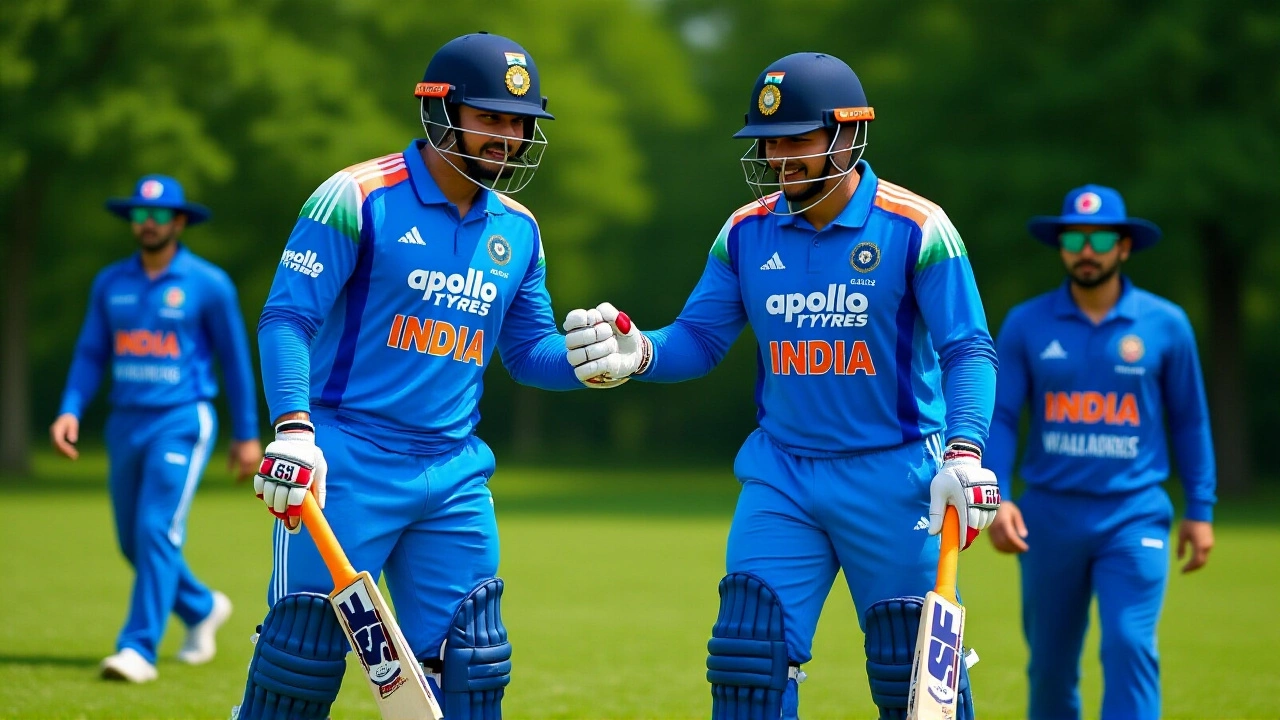
It’s the kind of cricket match that leaves you staring at the sky, wondering if the clouds were rigged. Afghanistan A snatched victory from the jaws of a rain-soaked draw against India A, winning by four runs under the Duckworth–Lewis–Stern (DLS) method. The drama unfolded at the Rangiri Dambulla International Stadium in Dambulla, Sri Lanka, during the second league match of the A Team Tri-Nation One Day Series 2026Sri Lanka. While India A posted a mammoth total, nature intervened, leaving fans and players alike to interpret the numbers rather than the ball.
Here’s the thing about developmental series: they’re supposed to be low-pressure environments for emerging talent. But when captains like Tilak Varma and Imran Mir are involved, the stakes feel higher. This wasn’t just another game; it was a pivotal moment in a triangular tournament involving India A, Afghanistan A, and Sri Lanka A. The weather didn’t just disrupt play—it dictated the outcome.
The Setup: A Toss That Changed Everything
On a humid Thursday in Dambulla, Imran Mir, captain of Afghanistan A, won the toss and made the bold call to bowl first. It’s a risky move in limited-overs cricket, especially on pitches that can slow down as the day progresses. By choosing to field, Mir invited Tilak Varma’s India A side to set a target. The gamble paid off initially, as India A responded with a blistering batting display.
But wait—this wasn’t a standard 50-over affair. Rain interruptions reduced India A’s innings to just 49 overs. Even so, the Indian batters treated the shortened format like an exhibition of power hitting. They finished on 349 for 9, a score that looked unassailable until the heavens opened again during the chase.
India A’s Batting Masterclass
If you thought 349 was high, consider the context: this was achieved in fewer overs than usual. Three half-centuries anchored the innings, turning what could have been a collapse into a fortress.
- Prabhsimran Singh: The wicketkeeper-batter smashed 84 runs off just 69 balls, providing the explosive start India needed.
- Tilak Varma: The captain contributed a steady 66 off 73 deliveries, anchoring the middle order.
- Ruturaj Gaikwad: Adding his own 66 off 80 balls, Gaikwad ensured the momentum never stalled.
The twist is that despite these scores, the bowlers had their work cut out defending such a total. But before we get to the Afghan response, let’s look at how India A got here. In their opening match against Sri Lanka A, they had already shown resilience, winning by eight runs after posting 277/6. Ruturaj Gaikwad had scored a century there, supported by Varma’s 60. So, this team was firing on all cylinders entering the clash with Afghanistan.
Rain Plays Spoilsport: The DLS Drama
Then came the rain. Again. As Afghanistan A began their chase, the skies over Dambulla turned hostile. Play was halted, and officials had to invoke the DLS method—a statistical system used to adjust targets in weather-affected games. The revised target? 294 runs from 38 overs (228 balls). It was still a formidable ask, but achievable.
Afghanistan A started well, with captain Imran Mir looking dominant at the crease. He remained unbeaten on 75 off 70 balls, striking at a rate greater than one run per ball. Alongside him, Bahir Shah also stayed not out, building a crucial partnership. When rain finally stopped play completely, Afghanistan A were ahead of the par score required at that stage.
The result? Afghanistan A won by four runs under DLS. No final wicket fell, no last-ball thriller. Just math and meteorology deciding the winner. Oddly enough, this mirrors earlier trends in the series where weather has played a decisive role.
Broader Implications for the Tri-Series
This loss stings for India A, especially given their strong performances earlier in the tournament. But the series isn’t over. Sri Lanka A, who beat Afghanistan A in a must-win game to stay alive, later defeated India A in a tied match decided by a super over. In that dramatic encounter, Sri Lanka A scored 17 runs in the super over, while bowler Kugadas Matan delivered an outstanding spell to secure victory.
Meanwhile, another fixture between India A and Afghanistan A—the fifth match of the series—saw one team dismissed for 218, though full details remain unclear. What’s evident is that every game in this tri-series carries weight, with points tightly contested.
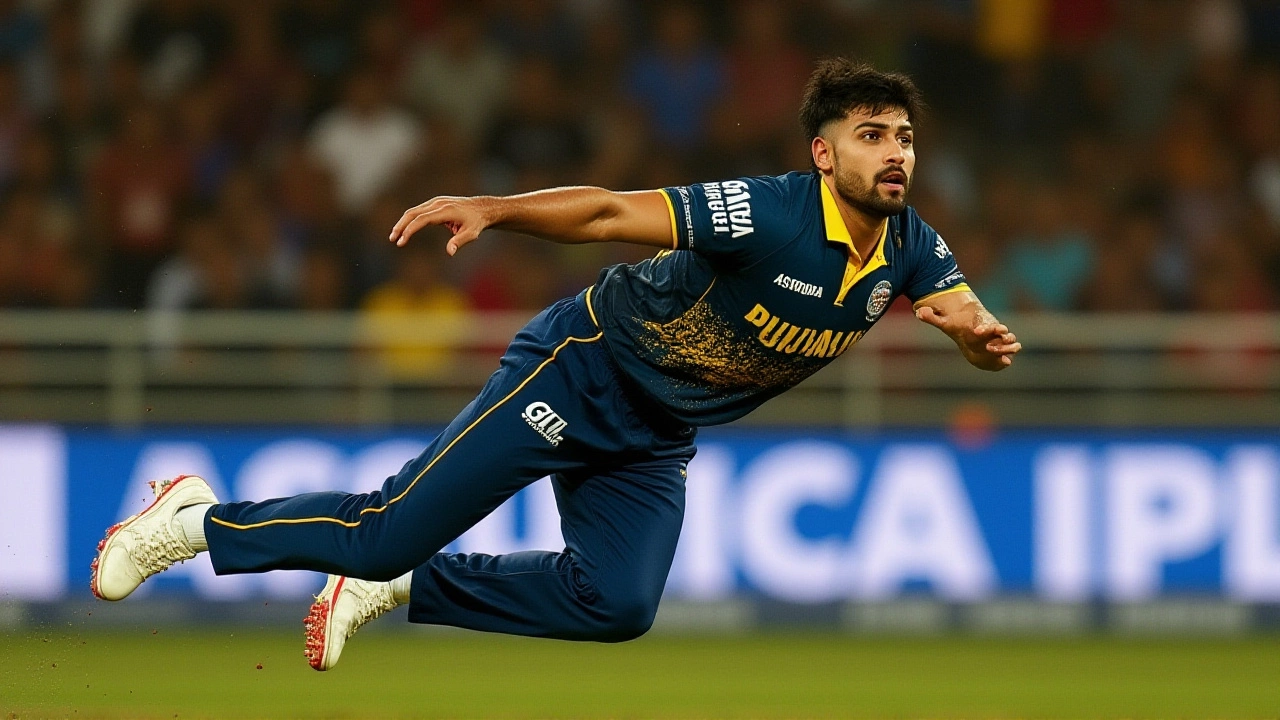
What’s Next?
As the series progresses, both India A and Afghanistan A will need to adapt to unpredictable conditions. For India A, consistency in chasing big totals remains key. For Afghanistan A, maintaining composure under pressure—and perhaps praying for clearer skies—will be vital.
The next few matches will reveal which side can handle the mental toll of interrupted games. With Sri Lanka A also in contention, the race for top spot remains wide open. Fans should keep an eye on how teams respond to DLS scenarios, as these moments often define tournaments more than outright wins.
Background Deep Dive
The A Team Tri-Nation One Day Series serves as a platform for developing players before they graduate to senior international duty. Past editions have seen talents like Hardik Pandya and Rashid Khan shine, making this year’s edition equally significant. Historically, Dambulla has hosted memorable encounters, including nail-biters and upsets. This series continues that tradition, blending skill with serendipity.
Frequently Asked Questions
How does the DLS method determine the winner in rain-affected matches?
The Duckworth–Lewis–Stern (DLS) method calculates a 'par score' based on resources available (overs and wickets). If the chasing team is above this score when play stops, they win. In this case, Afghanistan A were ahead of the par score, securing a 4-run victory without completing their innings.
Who were the top scorers for India A in this match?
Prabhsimran Singh led the charge with 84 runs off 69 balls. Captain Tilak Varma added 66 off 73 deliveries, while Ruturaj Gaikwad contributed 66 off 80 balls. All three scored half-centuries, helping India A post 349/9 in 49 overs.
Why did Afghanistan A choose to bowl first?
Captain Imran Mir won the toss and opted to bowl, likely hoping to exploit any pitch deterioration or dew factors. However, India A capitalized on the conditions, setting a challenging target despite the reduced overs due to rain.
What happened in the other matches of the series?
India A beat Sri Lanka A by 8 runs in their opener, thanks to Ruturaj Gaikwad’s century. Later, Sri Lanka A defeated Afghanistan A in a must-win game and then beat India A in a super over decider. Another India A vs Afghanistan A match ended with one team scoring 218 all out.
Where was this match played?
The match took place at the Rangiri Dambulla International Stadium in Dambulla, Sri Lanka. This venue is known for its scenic surroundings and has hosted numerous international fixtures, including World Cup games.